
- by pello
- May 6, 2021
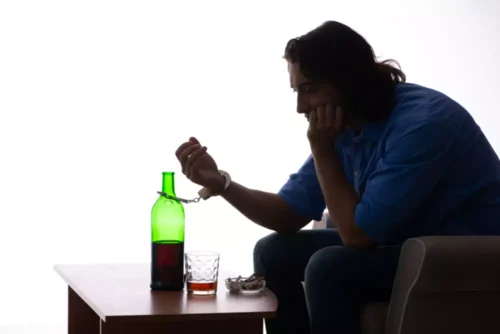
Alcohol withdrawal occurs when you stop using alcohol after a prolonged period of heavy use. Alcohol withdrawal is the most dangerous form of substance withdrawal, creating unpleasant symptoms that can be potentially deadly for those with more severe symptoms. Alcohol withdrawal will last about a week to a week and a half for most people, with symptoms peaking two to three days into withdrawal.

The Role of Accountability Partners in Maintaining Sobriety
This is why you should use medical help, whether tapering or quitting cold turkey. If you want to cut back your alcohol consumption or stop drinking alcohol altogether, tapering may help. Tapering is the process of gradually weaning off alcohol rather than quitting cold turkey. Consulting with medical professionals and therapists is an essential step in tapering off alcohol safely.
Symptoms of Alcohol Use Disorder (AUD)

It can also involve substituting the drink of choice with another drink; for example, a person may taper off hard alcohol with beer. It is important to only attempt a best way to wean off alcohol taper while under a doctor’s care. However, understanding how an alcohol taper works and what the process is like can help you prepare yourself and find the support you need. As you prepare to wean off alcohol, consider taking the following steps ahead of time to have a clear path to success. Addressing these hurdles often involves professional support, a personal support network and sometimes group recovery meetings. Planning ahead for these obstacles greatly increases your likelihood of success.
Identifying a Standard Drink
Weaning off alcohol can benefit people who drink moderately or have support systems. If you have marijuana addiction a severe alcohol addiction, it might be best to seek professional addiction treatment. Slowly tapering your alcohol use can help you manage mild withdrawal symptoms and decrease the risk of AUD. However, you may experience withdrawal symptoms or relapse if you’re not tapering correctly and safely. Tapering off alcohol involves gradually reducing the amount of alcohol you drink.
- Doing so will save lives, reduce morbidity, and lessen costs to healthcare systems.
- A substitution taper is a bit more complex and will require a habit change to quit alcohol use this way effectively.
- It also lets you start working new habits and routines into your day to replace drinking, starting the transition.
- With dedication, perseverance, and support, you can successfully wean off alcohol and embark on a healthier and more fulfilling life.

Licensed medical professionals and highly qualified addiction specialists at The Recovery Village Cherry Hill at Cooper can help guide you toward a life without alcohol. When you quit drinking cold turkey, your body suffers from a cascade of changes caused by the sudden shift. Since alcohol depresses central nervous system activity, quitting drinking can cause an imbalance of an excitatory neurotransmitter called glutamate.
- Thus, a user will likely seek out alcohol again to rid themselves of the uncomfortable withdrawal symptoms.
- Tapering off alcohol slowly allows you to think about what you need mentally to thrive.
- Instead of both severe withdrawal symptoms and psychological dependence, you can take some of the stress off.
- If you’re relying on internet searches to find potential treatment centers, make sure to ask these ten questions to find a licensed facility that can meet your needs.
- It’s always best to consult a physician on the best strategy, especially if you drink heavily.
- AUD makes it difficult to control alcohol use — it may seem like the alcohol is controlling you.